
Worldwide Basement WaterproofingFoundation Repair in Pasadena, MD24-Hour Emergency Service

Schedule A Free Inspection
Foundation Repair for Cracks, Bowing Walls, Settling & Water-Related Structural Concerns
Foundation problems can be unsettling because they often start with small warning signs. A crack in the basement wall, a door that begins to stick, a floor that feels uneven, or water entering through the foundation can all point to movement, pressure, or moisture affecting the structure of your home.
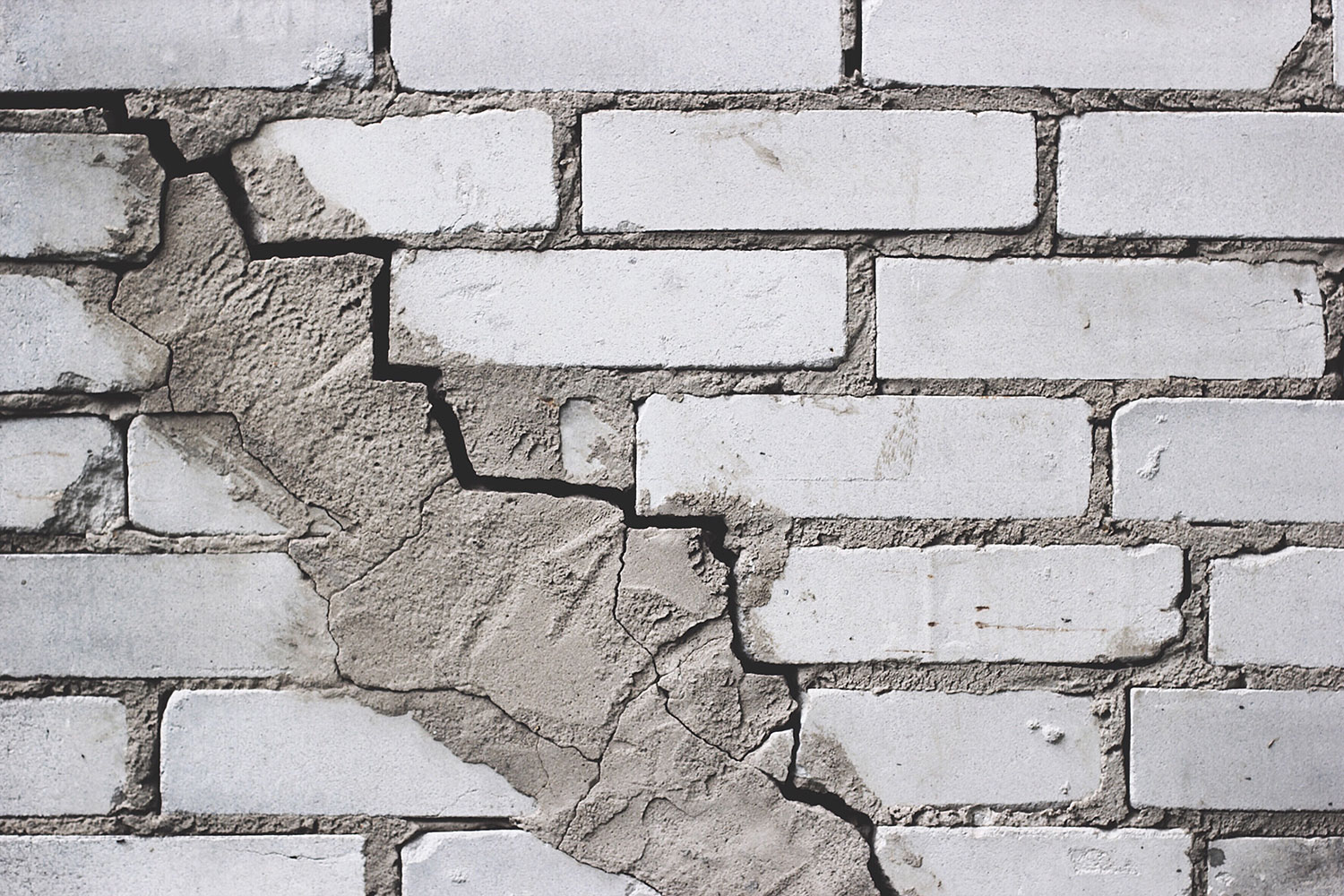
Whether you are dealing with foundation cracks, bowing basement walls, settling, hydrostatic pressure, or water entering through foundation walls, we can inspect the issue and recommend a practical repair plan.
Call today to schedule your free foundation repair inspection.
Foundation Repair Services for Pasadena Homes
Homes in Pasadena and throughout Anne Arundel County can experience foundation problems for many reasons. Poor drainage, saturated soil, aging construction materials, hydrostatic pressure, tree roots, plumbing leaks, and changes in soil conditions can all place stress on a foundation over time.
Some foundation issues are primarily structural. Others are closely tied to water intrusion and drainage. In many homes, the two problems overlap. A cracked foundation wall may let water into the basement, while ongoing water pressure outside the home can make existing cracks or wall movement worse.
Worldwide Basement Waterproofing provides foundation repair services for problems involving:
- Foundation cracks
- Bowing basement walls
- Buckling foundation walls
- Water entering through cracks
- Settling foundations
- Uneven or sloping floors
- Sticking doors and windows
- Gaps around trim, molding, windows, or doors
- Stair-step cracks in block, brick, or masonry
- Basement wall movement
- Hydrostatic pressure
- Footer concerns
- Structural wall reinforcement
- Foundation wall rebuilds
- Exterior excavation and sealing
Our goal is to identify the source of the problem and recommend a repair that supports the long-term condition of your home.
Signs You May Need Foundation Repair
Foundation problems are not always obvious right away. Many homeowners first notice small changes inside or outside the home before realizing the foundation may be involved. If those warning signs are ignored, the problem may continue to worsen.
You may need a foundation inspection if you notice:
- Cracks in basement walls
- Horizontal foundation cracks
- Vertical foundation cracks
- Stair-step cracks in block, brick, or masonry
- Bowing or leaning basement walls
- Buckling foundation walls
- Cracks in concrete floors
- Uneven or sloping floors
- Doors or windows that stick
- Gaps around windows, doors, trim, or molding
- Water entering through foundation cracks
- Exterior wall cracks
- Separation where walls meet ceilings or floors
- Recurring basement leaks in the same area
Some cracks are minor. Others may indicate pressure, settlement, wall movement, or water intrusion. A professional inspection can help determine what is happening and what type of repair may be needed.
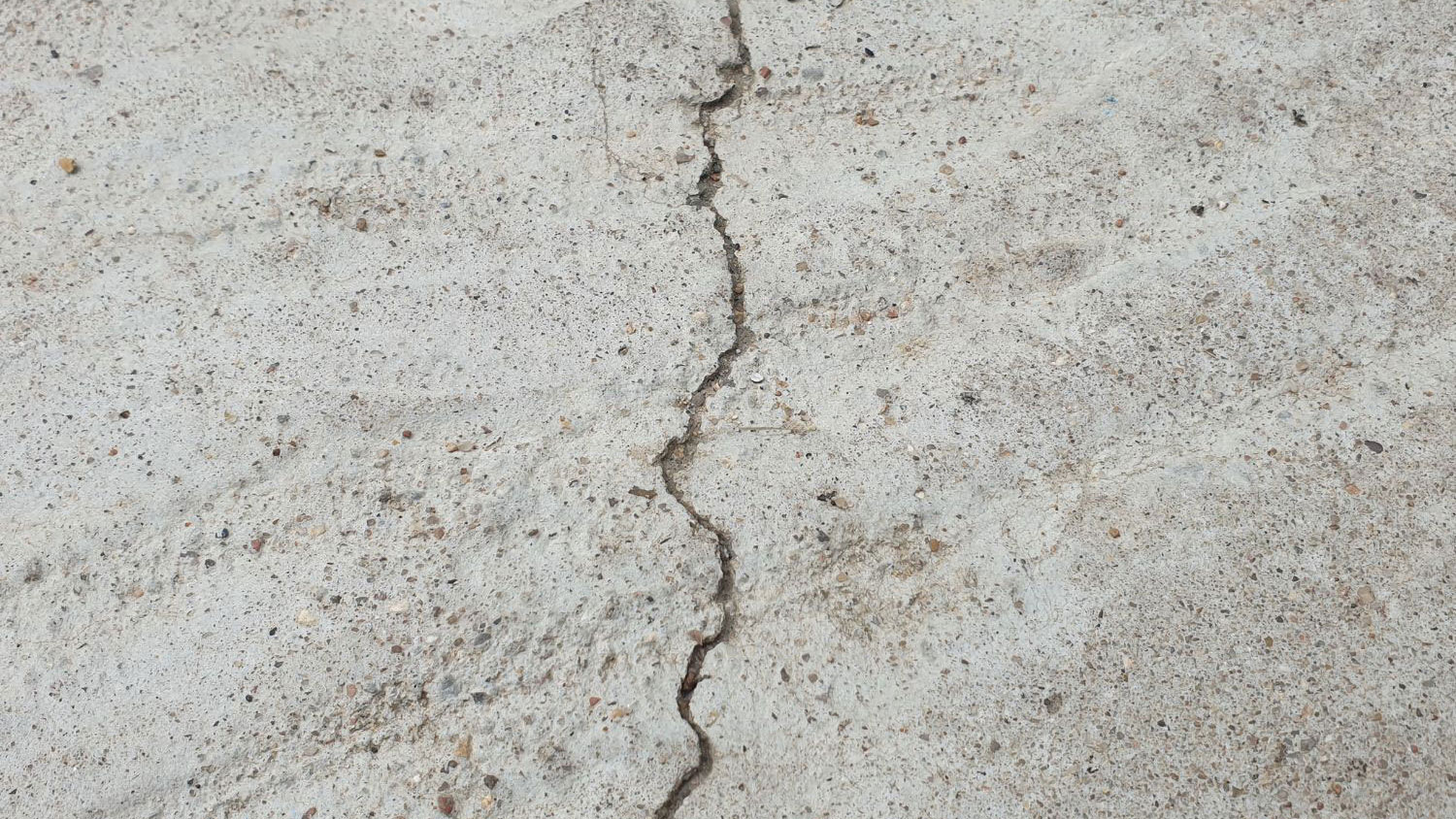
Foundation Cracks, Bowing Walls & Settling Problems
Different foundation problems require different repair approaches. A hairline crack is not the same as a bowing wall, and settlement is not the same as a leaking foundation crack. Before recommending a repair, the issue needs to be properly identified.
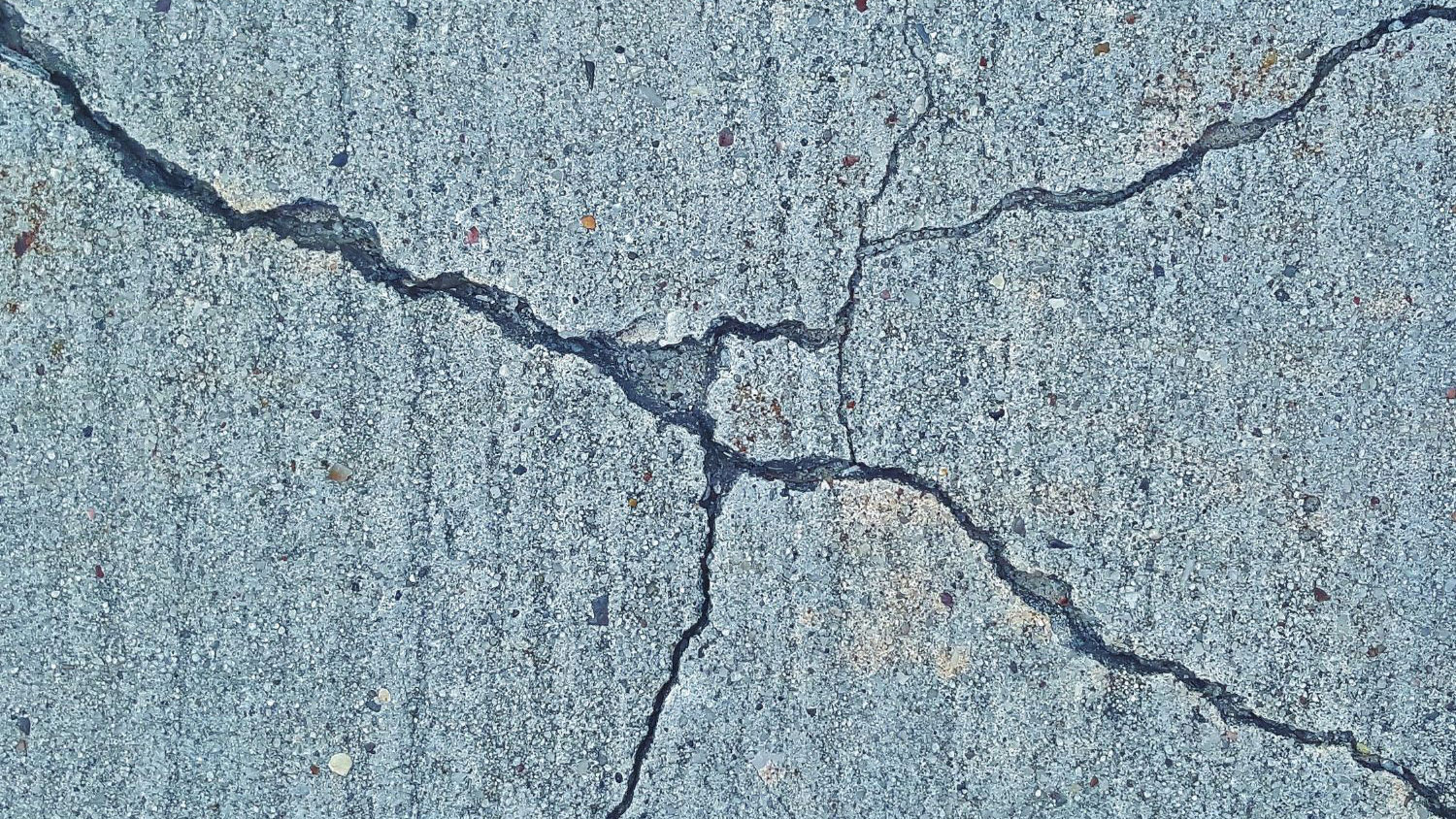
Foundation Cracks
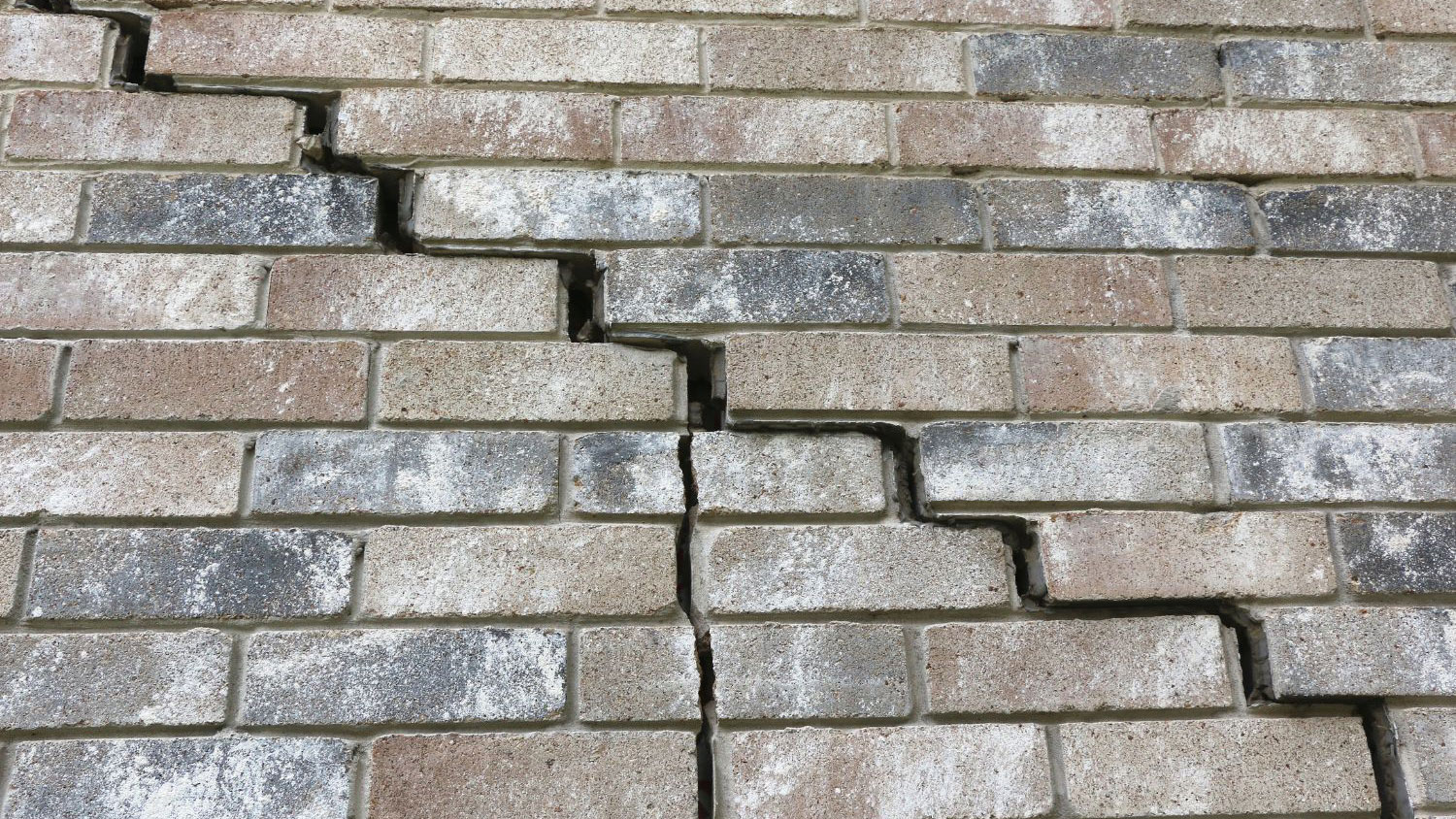
Foundation cracks can appear in poured concrete, block walls, brick, or masonry. Some cracks are caused by normal movement or aging. Others may be related to pressure, settlement, or water entering through the wall.
Cracks should be inspected if they are widening, leaking, horizontal, stair-stepped, or located near areas where the wall appears to be moving. Even a small crack can become a water entry point during heavy rain.
Bowing Basement Walls
Bowing basement walls often occur when pressure builds outside the foundation. Saturated soil, poor drainage, expanding soil, and hydrostatic pressure can push against the wall over time. As that pressure increases, the wall may begin to curve, lean, crack, or buckle inward.
A bowing wall should be evaluated promptly because it may continue to move if the outside pressure is not addressed.
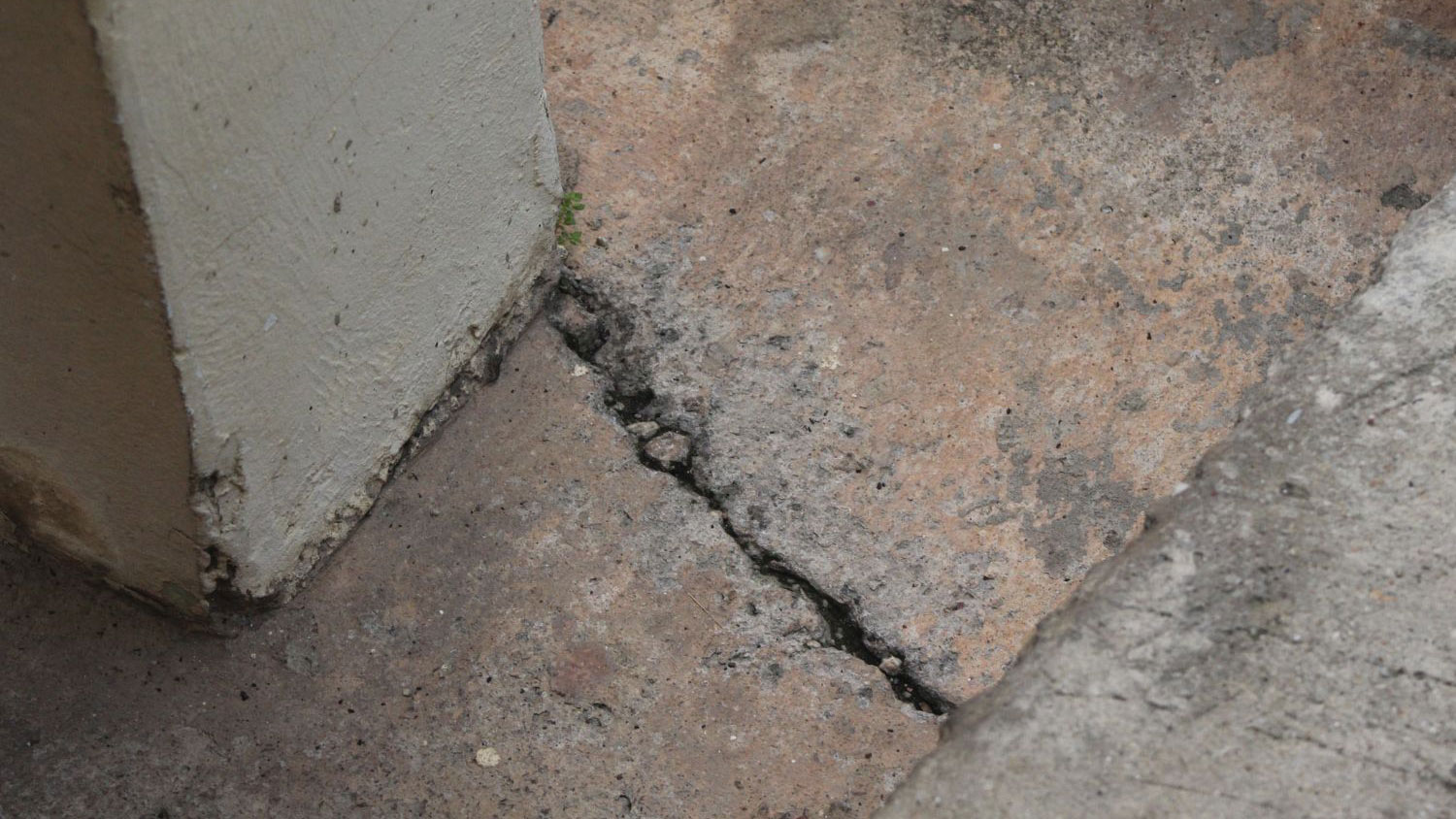
Settling Foundations
Foundation settlement can cause uneven floors, cracks in walls or ceilings, sticking doors and windows, and gaps around trim. Settlement may be caused by soil movement, erosion, poor compaction, plumbing leaks, or drainage problems near the foundation.
The right repair depends on how the foundation is moving and what is causing the soil or support beneath the structure to change.
Water Intrusion Through Foundation Walls
Water can enter through cracks, joints, seams, porous masonry, or areas where drainage around the home is not working properly. When foundation damage and water intrusion happen together, the repair plan should address both the structural concern and the moisture source.
Foundation Repair Methods We Use
Foundation repair is not a one-size-fits-all service. The best method depends on the type of foundation, the severity of the damage, the source of the pressure, and the condition of the surrounding soil and drainage.
Worldwide Basement Waterproofing may recommend one or more repair methods based on the needs of your home.
Structural Steel Beam Reinforcement
Steel beam reinforcement can help stabilize basement walls that are bowing, leaning, or under pressure. This method adds strong structural support and may be recommended when a foundation wall needs additional resistance against inward movement.
Steel reinforcement is often used when wall movement is more significant or when long-term structural support is needed.
Carbon Fiber Foundation Reinforcement
Carbon fiber reinforcement can help strengthen certain foundation walls with cracking or minor movement. Carbon fiber is low-profile and can be a good option when the wall needs added strength without a bulky repair system.
This type of reinforcement may be recommended when the wall condition is suitable and the goal is to help prevent additional movement.
CMU Block Wall Reinforcement
Concrete masonry unit block walls can crack, bow, or shift when exposed to soil pressure and moisture over time. Reinforcement can help stabilize the wall and reduce the risk of further movement.
Because block foundations can show stair-step cracking, horizontal cracking, or inward movement, the repair should be based on the wall’s condition and the pressure affecting it.
Foundation Wall Rebuilds
In more severe cases, a damaged foundation wall may need to be rebuilt. This may be recommended when the wall has significant structural damage, advanced movement, deterioration, or damage that cannot be properly corrected with reinforcement alone.
A wall rebuild is a more involved repair, but it may be the right solution when the existing wall is no longer structurally sound.
Push Piers
Push piers may be used when a foundation is settling or sinking. These systems are designed to help transfer the weight of the structure to more stable soil or load-bearing strata below the affected area.
Push piers may be recommended when settlement is causing cracks, uneven floors, or other signs that part of the foundation has moved downward.
Underpinning
Underpinning is used to strengthen or support an existing foundation. It may be needed when the foundation has settled, shifted, or requires additional support beneath the structure.
The purpose of underpinning is to improve support where the existing foundation or soil conditions are no longer providing enough stability.
Footer Repair
Footers help support the foundation. When a footer is affected by settlement, water exposure, erosion, or soil movement, it can compromise the stability of the structure above it.
Footer repair may be recommended when the base of the foundation needs additional support or correction.
Excavation and Exterior Sealing
Exterior work may be part of a larger repair plan when water intrusion, drainage, and foundation wall conditions are connected.
Hydrostatic Pressure Relief Systems
Hydrostatic pressure occurs when water builds up in the soil around the foundation. Over time, that pressure can push against basement walls, force water through cracks, and contribute to bowing or leaking walls.
Pressure relief systems help manage water and reduce the stress placed on the foundation. This can be especially important when foundation movement and basement water problems are happening together.
What Causes Foundation Damage?
Foundation damage can happen for several reasons. In many cases, more than one factor is involved. A foundation issue may begin with poor drainage, become worse because of soil movement, and eventually show up as cracking, bowing, settling, or water intrusion.
Poor Drainage
When water collects near the foundation, the soil can become saturated and heavy. This increases pressure against basement walls and can contribute to cracks, leaks, and wall movement.
Hydrostatic Pressure
Hydrostatic pressure is caused by water building up in the soil around the foundation. This pressure can push against basement walls and force water through cracks, seams, and other weak points.
Expanding and Contracting Soil
Soil expands when it holds water and contracts when it dries. Repeated expansion and contraction can place ongoing stress on the foundation.
Poor Grading
If the ground slopes toward the home, rainwater may collect near the foundation instead of draining away from it. Over time, this can contribute to basement leaks and foundation pressure.
Downspout Problems
Short, damaged, or clogged downspouts can discharge large amounts of water too close to the home. This can increase soil saturation and pressure near the foundation.
Tree Roots
Large trees near the home can affect soil moisture and place pressure near the foundation. Root systems and soil changes can both contribute to movement around the structure.
Plumbing Leaks
A leaking underground pipe or plumbing issue can soften soil near or beneath the foundation. This can increase the risk of settlement or movement.
Foundation Repair and Basement Waterproofing Often Work Together
Foundation repair and basement waterproofing are closely connected. A cracked or bowing foundation wall may allow water to enter the basement, while repeated water pressure outside the home can contribute to foundation damage over time.
For many homes, the best repair plan looks at both the structure and the water source.
You may need both foundation repair and basement waterproofing if you notice:
- Water coming through foundation cracks
- Bowing basement walls with moisture stains
- Cracks that leak during heavy rain
- Efflorescence on basement walls
- Mold or musty odors near cracked walls
- Recurring leaks in the same basement area
- Sump pump activity during storms
- Water pooling around the outside of the home
Worldwide Basement Waterproofing can evaluate foundation concerns along with drainage, waterproofing, sump pump, and moisture control needs. This helps protect the repair and reduce the chance of the same problem returning.
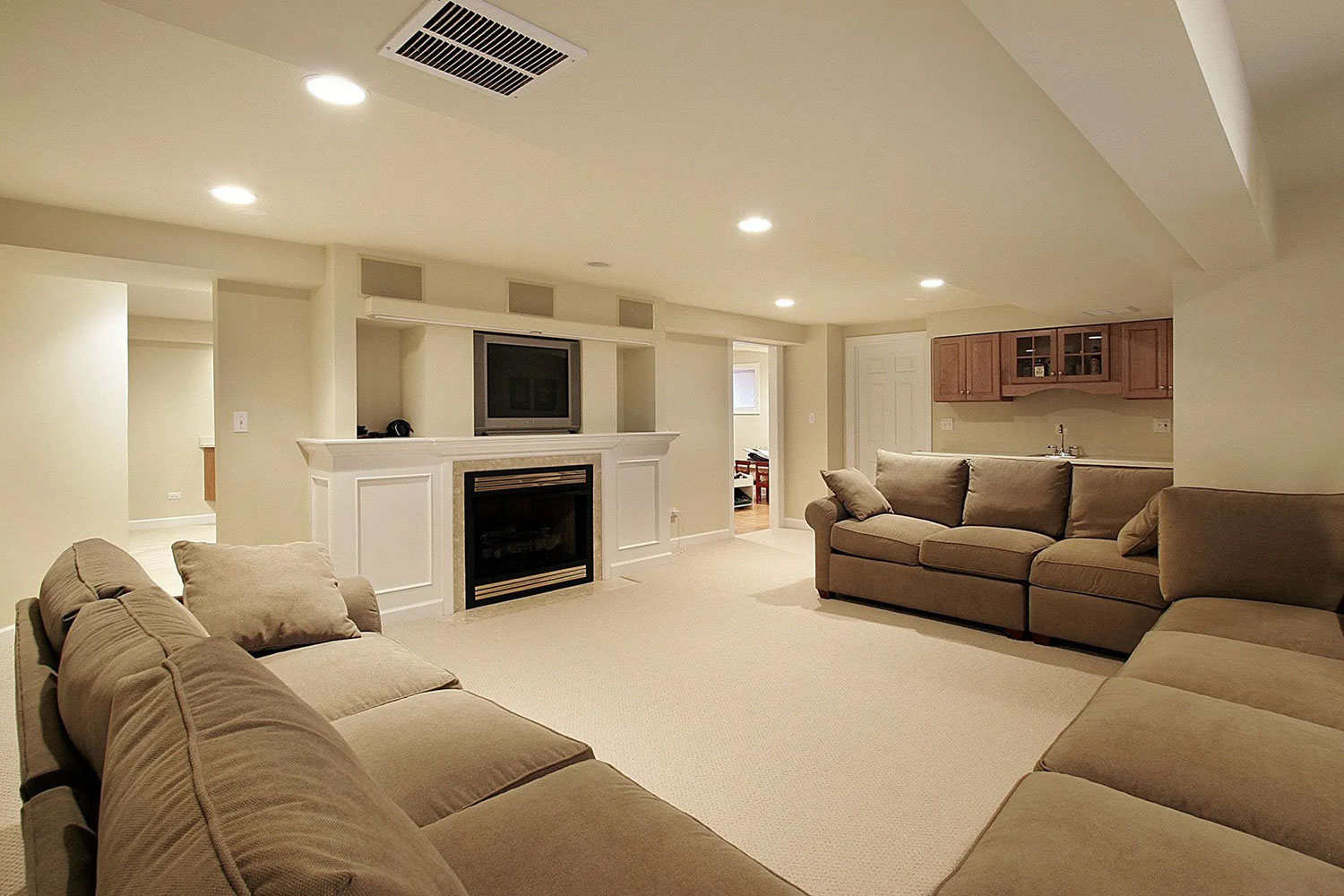
Foundation Repair Before Finishing a Basement
If you are planning to finish your basement, foundation concerns should be addressed before the remodeling work begins. New flooring, drywall, trim, furniture, and electrical work can all be damaged if water intrusion or wall movement continues after the space is finished.
A foundation inspection can help determine whether cracks, water issues, bowing walls, drainage problems, or sump pump concerns should be handled first.
Foundation repair before finishing a basement can help protect:
- Drywall
- Flooring
- Trim
- Furniture
- Electrical components
- Insulation
- Basement bedrooms
- Home offices
- Recreation rooms
- Storage areas
- In-law suites or rental spaces
It is better to correct foundation and water problems before the basement is finished than to repair damage after new materials have been installed.
Residential & Commercial Foundation Repair
Worldwide Basement Waterproofing provides foundation repair for both residential and commercial properties. Whether the issue involves a home, rental property, office building, storage area, or commercial structure, foundation problems should be inspected before they lead to further damage.
We help with foundation concerns in:
- Single-family homes
- Townhomes
- Finished basements
- Unfinished basements
- Crawl space foundations
- Rental properties
- Commercial buildings
- Storage areas
- Utility spaces
- Older homes
- Newer properties with drainage issues
Our team can inspect the problem and explain the repair options based on the condition of the foundation and the cause of the damage.
Serving Pasadena, Anne Arundel County, Maryland, DC & Northern Virginia
Worldwide Basement Waterproofing is based in Pasadena, MD and serves homeowners and property owners throughout Anne Arundel County and surrounding areas. We also provide foundation repair, basement waterproofing, crawl space waterproofing, drainage, mold remediation, and egress window services throughout Maryland, Washington DC, and Northern Virginia.
Areas we serve include:
- Pasadena, MD
- Anne Arundel County
- Baltimore
- Baltimore County
- Howard County
- Montgomery County
- Frederick County
- Harford County
- Prince George’s County
- Calvert County
- Charles County
- Saint Mary’s County
- Washington DC
- Northern Virginia
- Alexandria, VA
- Fairfax, VA
If you are not sure whether we serve your area, contact our team. We will be happy to let you know if we can help.
Why Choose Worldwide Basement Waterproofing for Foundation Repair?
Foundation repair is important work. You need a contractor who understands structural concerns, basement moisture, drainage, water pressure, and long-term protection.
Homeowners and property owners choose Worldwide Basement Waterproofing for:
- Free foundation repair inspections
- 24-hour emergency service
- Foundation crack repair
- Bowing wall repair
- Structural wall reinforcement
- Basement waterproofing support
- Drainage and downspout solutions
- Crawl space moisture control
- Mold remediation support
- Residential and commercial service
- Licensed service in Maryland, Virginia, and Washington DC
- Local service from our Pasadena, MD office
Our team will inspect the issue, explain what may be causing the problem, and recommend a repair plan based on your property’s needs.

Schedule a Free Foundation Repair Inspection
If you have foundation cracks, bowing walls, uneven floors, sticking doors, basement leaks, or other signs of foundation movement, do not wait for the problem to get worse.
Call Worldwide Basement Waterproofing today to schedule your free foundation repair inspection. Our team can evaluate the issue, explain your options, and recommend the next step to help protect your home.