
Worldwide Basement WaterproofingMold Remediation in Pasadena, MD24-Hour Emergency Service

Schedule A Free Inspection
Mold Cleanup, Moisture Control & Prevention Support for Basements, Crawl Spaces & Water-Damaged Areas
Mold problems are often a sign that moisture has been present for too long. A damp basement, humid crawl space, foundation leak, plumbing issue, or drainage problem can create conditions where mold and mildew begin to grow.

Worldwide Basement Waterproofing provides mold remediation in Pasadena, Anne Arundel County, and surrounding areas throughout Maryland, Washington DC, and Northern Virginia. Our team helps homeowners identify visible mold concerns, look for the moisture source, and recommend solutions that address both the cleanup and the conditions that allowed the problem to develop.
Whether you are dealing with mold on basement walls, musty odors, crawl space moisture, water-damaged materials, or mold concerns after a leak, we can inspect the issue and explain the next step.
Call today to schedule your free mold remediation inspection.
Mold Is Often a Moisture Problem First
Mold needs moisture to grow. That is why mold concerns often appear in basements, crawl spaces, utility rooms, storage areas, and other parts of the home where water intrusion or humidity can go unnoticed.
Cleaning visible mold without addressing the source of moisture may only provide temporary relief. If basement leaks, foundation cracks, poor drainage, crawl space humidity, or condensation are still present, the conditions that caused the mold may return.
Worldwide Basement Waterproofing approaches mold remediation with the bigger picture in mind. We look at the visible mold concern and the moisture conditions around it so we can help reduce the chance of the same problem coming back.
Common moisture sources connected to mold include:
- Basement leaks
- Foundation cracks
- Crawl space moisture
- High humidity
- Poor ventilation
- Water-damaged drywall or flooring
- Leaking window wells
- Poor yard drainage
- Downspouts draining too close to the home
- Plumbing leaks
- Condensation
- Sump pump problems
- Standing water after heavy rain
By identifying the source, we can recommend mold remediation along with waterproofing, drainage, crawl space, or foundation-related solutions when needed.
Signs You May Need Mold Remediation
Mold is not always easy to see. Sometimes the first sign is a smell, stain, or change in the way a basement or crawl space feels. Other times, mold appears after a leak, flood, or long period of damp conditions.
You may need mold remediation if you notice:
- Musty odors in the basement or crawl space
- Visible mold or mildew on walls, floors, joists, or stored items
- Dark staining on drywall, block, concrete, or wood
- Water-damaged materials
- Peeling paint or bubbling wall surfaces
- Persistent basement humidity
- Condensation on walls, pipes, or windows
- Mold growth near foundation cracks
- Mold after a basement leak
- Mold in a crawl space
- Mold around window wells
- Repeated moisture in the same area
If mold appears in the same area more than once, there is likely an underlying moisture issue that should be inspected.

Mold From Foundation Leaks & Water Intrusion
When water enters through foundation cracks, basement walls, wall-floor joints, or window wells, mold may develop on nearby surfaces. Even small leaks can create repeated dampness that allows mold and mildew to return.
If the mold concern is located near a crack, stain, water mark, or damp wall, the foundation or drainage system may need to be evaluated as part of the remediation plan.
Mold connected to foundation leaks may appear near:
- Basement wall cracks
- Floor cracks
- Cove joints
- Window wells
- Block walls
- Concrete walls
- Finished basement corners
- Baseboards
- Utility areas
- Storage areas
Addressing the visible mold is important, but the long-term solution depends on correcting the water source. That may include foundation crack repair, basement waterproofing, sump pump support, or drainage improvements.
Crawl Space Mold Remediation
Crawl spaces are especially vulnerable to moisture because they are often unfinished, poorly ventilated, and difficult for homeowners to monitor. A damp crawl space can lead to musty odors, mold growth, wood concerns, damaged insulation, pest activity, and humidity that affects the living space above.
Mold in a crawl space may appear on floor joists, beams, insulation, vapor barriers, foundation walls, or other exposed materials.
Crawl space mold may be connected to:
- Standing water beneath the home
- High crawl space humidity
- Missing or damaged vapor barriers
- Poor drainage
- Open vents
- Condensation
- Plumbing leaks
- Damp insulation
- Exposed soil
- Foundation moisture
Mold remediation in a crawl space should also include a plan to control moisture. That may involve crawl space waterproofing, vapor barriers, drainage improvements, sealing, or humidity control recommendations.
Basement Mold Remediation
Basements are one of the most common places for mold to develop because they are below grade and more likely to be affected by water intrusion, humidity, foundation seepage, and drainage problems.
Mold may appear on basement walls, drywall, framing, flooring, baseboards, insulation, storage boxes, or other materials. It may also grow behind finished surfaces if water has entered the space and remained trapped.
Basement mold can be connected to:
- Leaking foundation walls
- Water entering through cracks
- Poor drainage outside the home
- High humidity
- Sump pump issues
- Window well leaks
- Condensation
- Previous flooding or water damage
- Finished basement materials that stayed damp
Our team can inspect the affected area, evaluate the moisture conditions, and recommend remediation and waterproofing solutions based on the source of the problem.
Mold From Poor Drainage Around the Home
Water outside the home can create mold problems inside the home. If gutters, downspouts, grading, or yard drainage are not moving water away from the foundation, moisture can collect near basement and crawl space walls.
Over time, that moisture can increase pressure against the foundation and contribute to basement leaks, crawl space dampness, humidity, and mold growth.
Drainage-related mold concerns may be connected to:
- Downspouts draining too close to the home
- Water pooling near the foundation
- Negative grading
- Clogged exterior drainage paths
- Soggy areas near basement walls
- Repeated leaks after storms
- Foundation seepage
- High basement humidity
Improving drainage may help reduce the moisture conditions that allow mold to develop.

How We Assess Mold and Moisture Problems
A mold issue should be evaluated carefully. Before recommending a solution, our team looks at the visible mold concern, the affected materials, and the moisture conditions around the area.
During an inspection, we may look for:
- Visible mold or mildew
- Moisture stains
- Water-damaged materials
- Basement leaks
- Foundation cracks
- Crawl space humidity
- Drainage issues
- Sump pump concerns
- Window well leaks
- Musty odors
- Condensation
- Signs of recurring moisture
From there, we can explain what we see, what may be contributing to the problem, and what type of remediation or moisture-control solution may be appropriate.
Mold Remediation and Waterproofing Often Work Together
Mold remediation and waterproofing are closely connected. If mold was caused by water intrusion or moisture buildup, the cleanup should be paired with a plan to help keep the area dry.
For many homes, mold prevention may involve more than surface treatment. It may require basement waterproofing, crawl space waterproofing, drainage improvements, sump pump support, foundation crack repair, or humidity control.
You may need both mold remediation and waterproofing if you notice:
- Mold returning after cleanup
- Mold near a basement leak
- Musty odors after heavy rain
- Mold in a damp crawl space
- Mold on basement walls
- Water stains near mold growth
- High humidity in the basement
- Mold near foundation cracks
- Mold after repeated sump pump activity
Worldwide Basement Waterproofing can evaluate the mold concern and the moisture source together. That helps create a more complete solution for your home.

Mold Remediation for Finished Basements
Finished basements can hide moisture problems until damage becomes more visible. Water may enter behind drywall, under flooring, near baseboards, or around window wells. If those materials stay damp, mold can develop in areas that are difficult to see.
If your finished basement has musty odors, staining, soft materials, bubbling paint, or previous water damage, it is important to inspect the affected area before the problem spreads.
Mold remediation for finished basements may involve evaluating:
- Drywall
- Baseboards
- Flooring
- Insulation
- Wall cavities
- Window wells
- Utility areas
- Storage areas
- Foundation cracks
- Water-damaged materials
Before rebuilding or refinishing the space, the moisture source should be corrected. Otherwise, the same problem may return after repairs are complete.
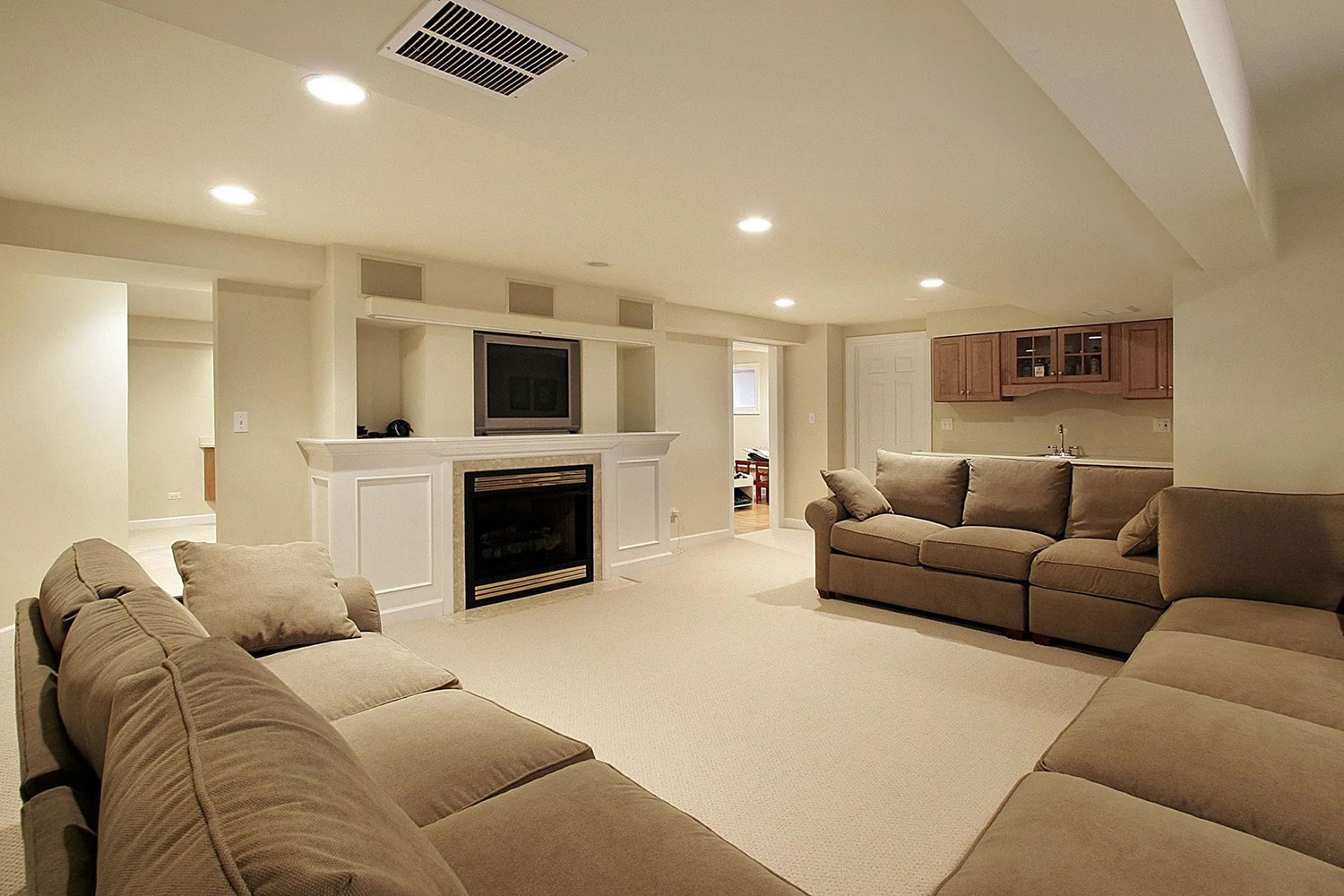
Residential & Commercial Mold Remediation
Worldwide Basement Waterproofing provides mold remediation services for residential and commercial properties. Whether the issue is in a home, rental property, office, storage area, basement, crawl space, or lower-level commercial space, mold should be evaluated along with the source of moisture.
We help with mold concerns in:
- Single-family homes
- Townhomes
- Finished basements
- Unfinished basements
- Crawl spaces
- Rental properties
- Commercial buildings
- Storage areas
- Utility rooms
- Office spaces
- Lower-level rooms
- Water-damaged areas
Our team can inspect the affected area, explain what may be contributing to the issue, and recommend a cleanup and moisture-control plan.
Serving Pasadena, Anne Arundel County, Maryland, DC & Northern Virginia
Worldwide Basement Waterproofing is based in Pasadena, MD and serves homeowners and property owners throughout Anne Arundel County and surrounding areas. We also provide mold remediation, basement waterproofing, crawl space waterproofing, foundation repair, drainage, and egress window services throughout Maryland, Washington DC, and Northern Virginia.
Areas we serve include:
- Pasadena, MD
- Anne Arundel County
- Baltimore
- Baltimore County
- Howard County
- Montgomery County
- Frederick County
- Harford County
- Prince George’s County
- Calvert County
- Charles County
- Saint Mary’s County
- Washington DC
- Northern Virginia
- Alexandria, VA
- Fairfax, VA
If you are not sure whether we serve your area, contact our team. We will be happy to let you know if we can help.
Why Choose Worldwide Basement Waterproofing for Mold Remediation?
Mold remediation should not be treated as a surface-level cleanup when moisture is still present. You need a contractor who understands how water enters basements and crawl spaces, how drainage affects foundations, and how humidity can create recurring mold concerns.
Homeowners and property owners choose Worldwide Basement Waterproofing for:
- Free mold remediation inspections
- 24-hour emergency service
- Mold remediation services
- Basement waterproofing support
- Crawl space waterproofing support
- Foundation crack and water intrusion solutions
- Drainage and downspout solutions
- Residential and commercial service
- Licensed service in Maryland, Virginia, and Washington DC
- Local service from our Pasadena, MD office
Our team will inspect the concern, explain the likely moisture source, and recommend a practical next step for your property.


Schedule a Free Mold Remediation Inspection
If you are dealing with mold, mildew, musty odors, basement moisture, crawl space humidity, or water damage, Worldwide Basement Waterproofing can help.
Call today to schedule your free mold remediation inspection. Our team can evaluate the affected area, look for moisture conditions, and recommend a solution designed to help protect your home.
Mold Remediation FAQs
Trusted & Recognized
Our industry accreditations and awards reflect years of proven quality, reliability, and dedication to protecting homes.


